Akihabara Maid Cafe Guide 2026
Maid cafes originated in Akihabara in the early 2000s and remain one of the district most distinctive cultural exports. The concept is simple in description and bizarre in execution: waitresses in French maid costumes serve food and drinks while addressing customers as master or mistress, performing short entertainment routines, casting magic spells on food, and posing for photos. Two chains dominate the market in 2026: @home cafe and Maidreamin. Both have English menus, multilingual staff, and transparent pricing that makes them accessible to international visitors.
The maid cafe experience is closer to interactive theater than conventional dining. The food itself is secondary to the performance. When you order an omelet, the maid draws a ketchup face on it while chanting a moe moe kyun spell. When you order a drink, she may shake it with a dance. Photo sessions (cheki) are available for an additional fee, where you pose with your assigned maid for a polaroid-style photo. The atmosphere is loud, bright, and deliberately over-the-top.
@home cafe: The Foreigner-Friendly Standard
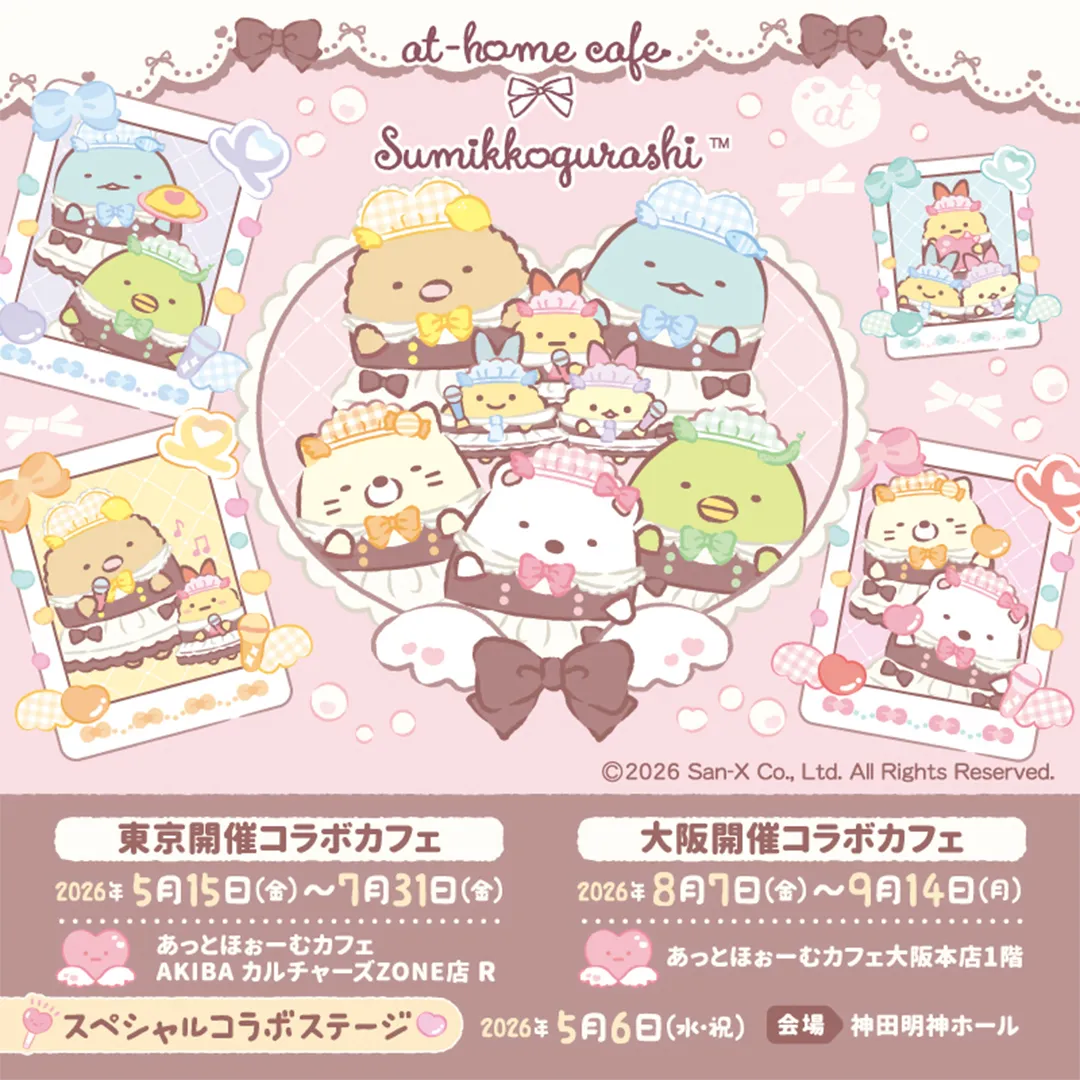
@home cafe is the longest-running and most internationally recognized maid cafe chain in Akihabara. It operates multiple locations in the district, with the main branch on Chuo-dori. The chain is known for its relatively approachable atmosphere and clear pricing structure. Entry involves a table charge of around 700 to 800 yen per person, plus the cost of food and drinks. A typical meal set with a main dish, drink, and dessert runs 1,500 to 2,500 yen per person.
The staff at @home cafe are accustomed to international tourists. English menus are standard, and many maids speak basic English or use translation tablets. Photography rules are clearly explained at entry: photos of the food and the interior are generally permitted, but photographing the maids without permission and without purchasing a cheki photo session is prohibited. The cafe also runs a loyalty system where regular customers earn ranks and titles, a gamification element that reflects the otaku culture the cafes emerged from.
Maidreamin and Pop-up Maid Cafes
Maidreamin is the other major chain, with several Akihabara locations including a flagship on Chuo-dori. The experience is similar to @home cafe but with a slightly more performance-oriented approach. Maidreamin maids perform scheduled dance routines on small stages within the cafes, and the chain has expanded internationally with locations in Akihabara, Osaka, and overseas. Pricing is comparable: a table charge plus food and drink costs, with cheki photos as an optional add-on.
During summer 2026, pop-up maid cafes are operating as part of the Akihabara Electric Town Summer Festival. These temporary locations offer a more casual entry point to maid cafe culture, with shorter sessions and lower price points. The pop-ups are typically located in event spaces and vacant storefronts along Chuo-dori, with maids handing out flyers on the street. Be cautious of aggressive touts on side streets promoting smaller, unaffiliated cafes, as these tend to have inflated prices and a worse experience. Stick to the established chains for a first visit.
Practical Details
- Locations: @home cafe (multiple Akihabara branches, main on Chuo-dori), Maidreamin (multiple branches including flagship on Chuo-dori)
- Time: Typically 11:00 to 20:00 or 21:00 daily
- Nearest station: JR Akihabara Station (Electric Town Exit), Tokyo Metro Hibiya Line Akihabara Station
- Price: Table charge 700 to 800 yen per person. Meal sets 1,500 to 2,500 yen. Cheki photos 500 to 1,000 yen each
- Tip: Bring cash. Some locations accept cards but cash is preferred. English menus available at both @home cafe and Maidreamin