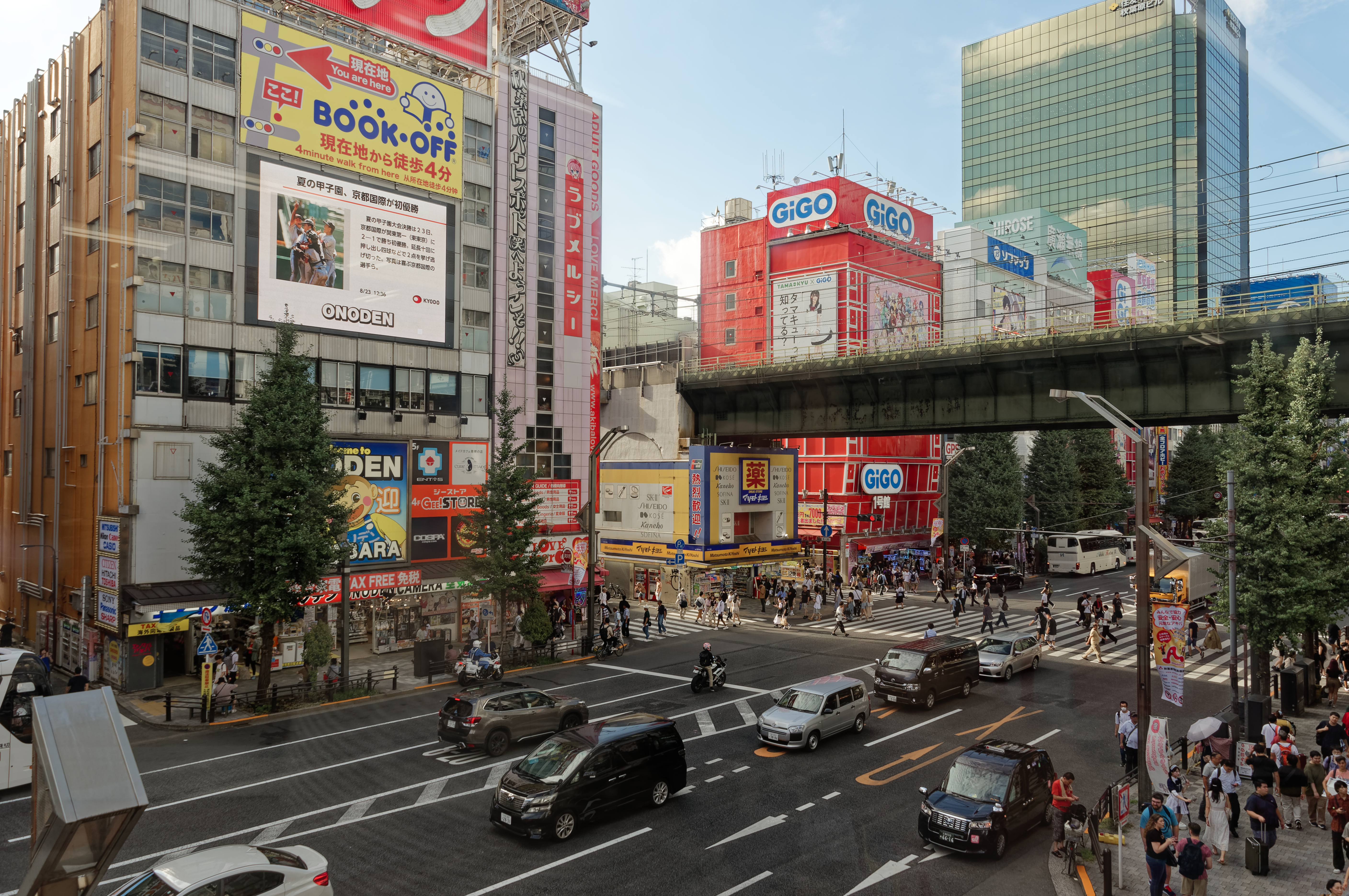
Akihabara Retro Arcade and Game Center Guide 2026
Akihabara multi-floor arcades are a side of Japanese gaming culture that exists nowhere else in the same concentration. The district hosts a dense cluster of game centers offering crane games (UFO catchers), rhythm games, fighting game cabinets, and retro console gaming. The arcade scene in 2026 is anchored by GiGO, the chain that replaced the former Sega arcades, alongside specialist retro game stores like Super Potato that combine retail with playable vintage hardware. For visitors, the arcades work best as a timed break between shopping, not an all-day commitment.
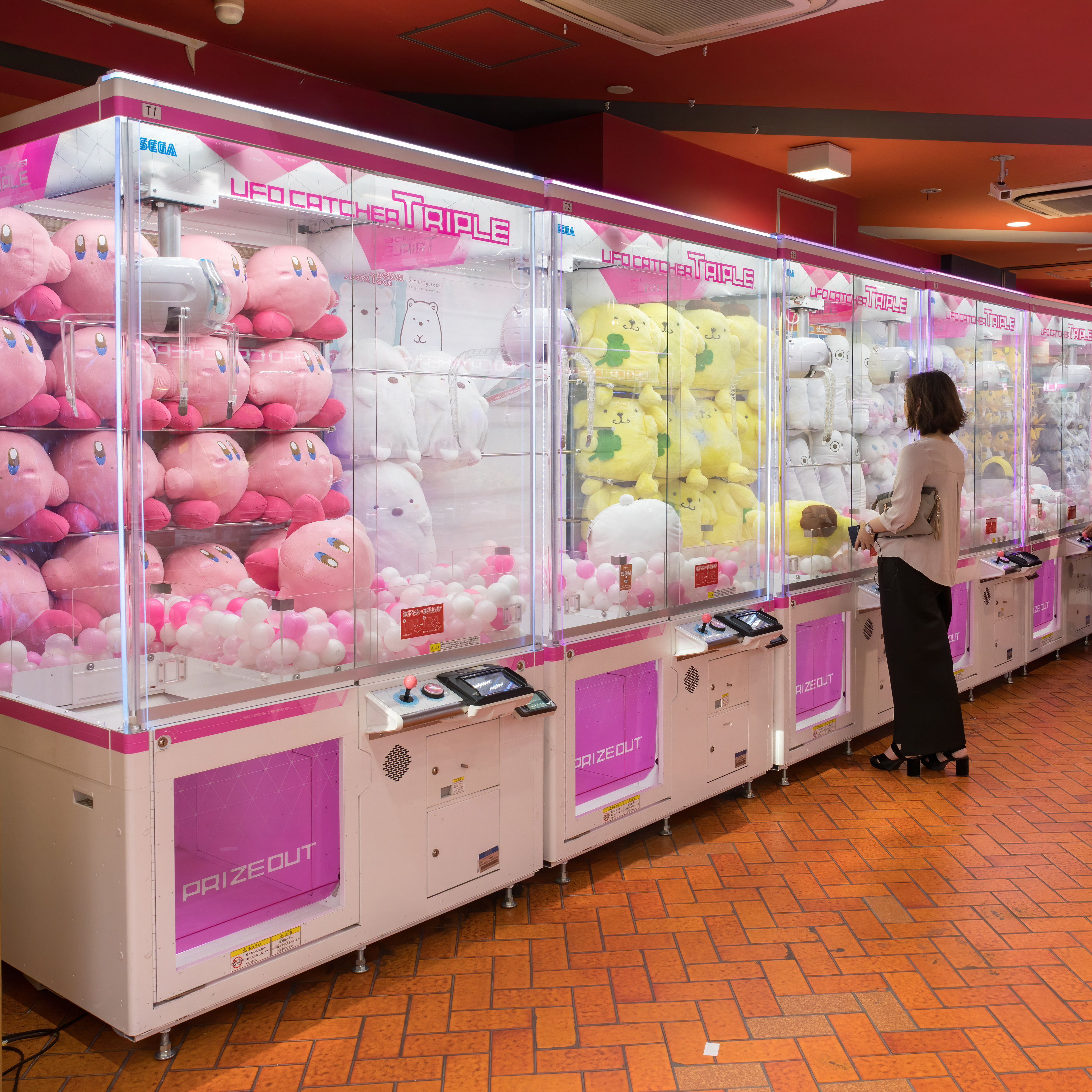
The key to enjoying Akihabara arcades is setting a cash limit before entering. Crane games are designed to be difficult, and the plush toys and anime figures they dispense can be purchased more cheaply at shops like Mandarake or AmiAmi. The entertainment value is in the attempt, not the prize. Rhythm games like Taiko no Tatsujin, maimai, and Chunithm offer uniquely Japanese music game experiences that are genuinely fun and cost only 100 to 200 yen per play. Fighting game cabinets, where serious players compete at Street Fighter 6 and Guilty Gear Strive, provide a window into the competitive gaming culture that Akihabara helped foster.
Super Potato: The Retro Gaming Pilgrimage
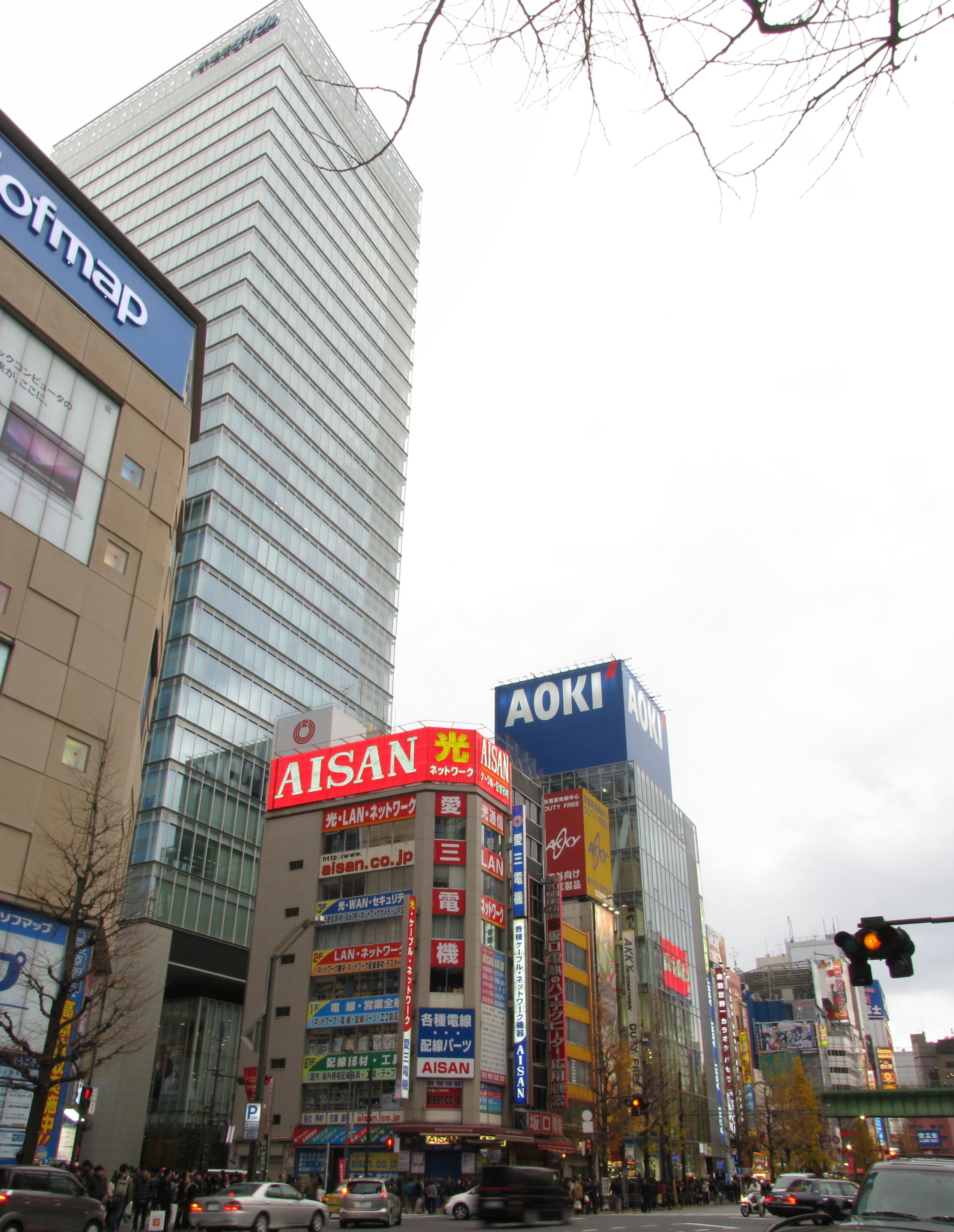
Super Potato is the most famous retro game store in Japan, and it earns that reputation. Spread across several floors near Chuo-dori, it stocks used games and hardware from the Famicom era through the PlayStation 2, Dreamcast, and beyond. The atmosphere is deliberately nostalgic, with old consoles displayed like museum pieces and some set up for customers to play. The top floor houses a small retro arcade with classic cabinets from the 1980s and 1990s.
Prices for common titles are fair, though rare items command a premium that reflects the global explosion in retro game collecting. A complete-in-box Super Famicom game might run 3,000 to 8,000 yen depending on the title. Loose cartridges start around 500 yen. The store also stocks retro hardware, including Famicom, Super Famicom, PC Engine, Sega Saturn, and Neo Geo systems, often with original packaging. Staff are knowledgeable and the store has a dedicated following among international collectors, though English support is limited.
GiGO and the Modern Arcade Experience
GiGO operates the flagship arcades in Akihabara, having taken over the former Sega locations. The GiGO Akihabara Building 1 and Building 3 locations on Chuo-dori are the largest game centers in the area, covering all genres across multiple floors. Crane games dominate the lower floors, with prizes ranging from large anime plush toys to character figures and seasonal merchandise tied to current anime broadcasts. The upper floors house rhythm games, racing simulators, and fighting game cabinets.
For rhythm game enthusiasts, GiGO locations offer the full range of Japanese music game cabinets. Taiko no Tatsujin (the drum game) is the most accessible for beginners, with simple controls and popular J-pop and anime song selections. maimai and Chunithm offer more complex gameplay with dedicated followings. For fighting games, the cabinets are often occupied by serious players, and challenging a local regular is a quick way to lose 100 yen. The atmosphere is competitive but respectful, and watching high-level play is free.
Practical Details
- Super Potato: Near Chuo-dori, Akihabara. Hours typically 11:00 to 20:00. Retro games and hardware from Famicom to PS2 era. Top floor retro arcade
- GiGO Akihabara: Building 1 and Building 3 on Chuo-dori. Hours typically 10:00 to 23:00. Crane games, rhythm games, fighting cabinets
- Nearest station: JR Akihabara Station (Electric Town Exit), Tokyo Metro Hibiya Line Akihabara Station, Ginza Line Suehirocho Station
- Price: Arcade games 100 to 200 yen per play. Retro game prices vary (500 to 8,000+ yen). Bring 100 yen coins for arcade machines
- Tip: Set a cash limit for crane games. Most prizes can be bought cheaper at Mandarake or AmiAmi. Weekday mornings are least crowded