Jensen Huang brings a 30-year-old debt back to Akihabara
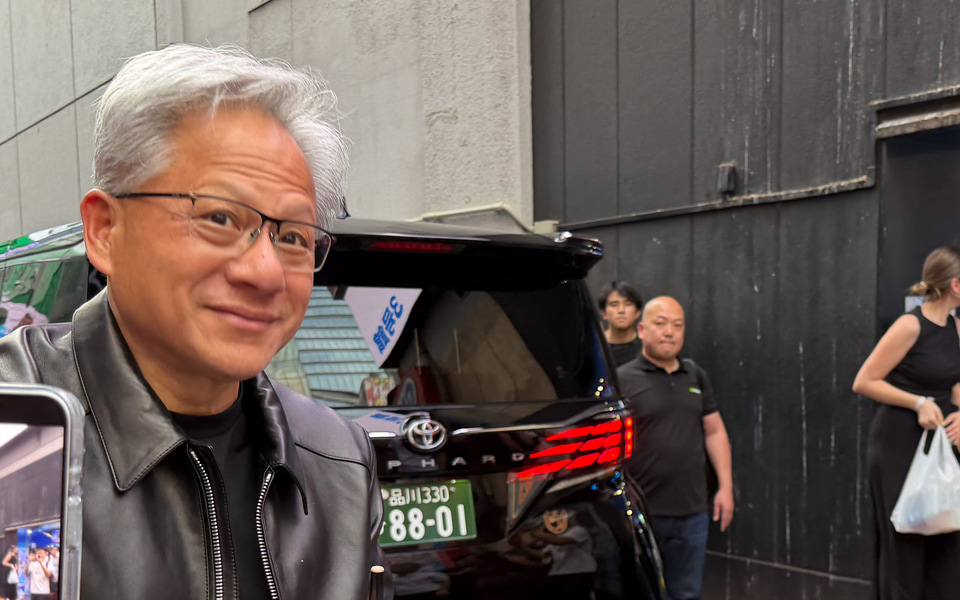
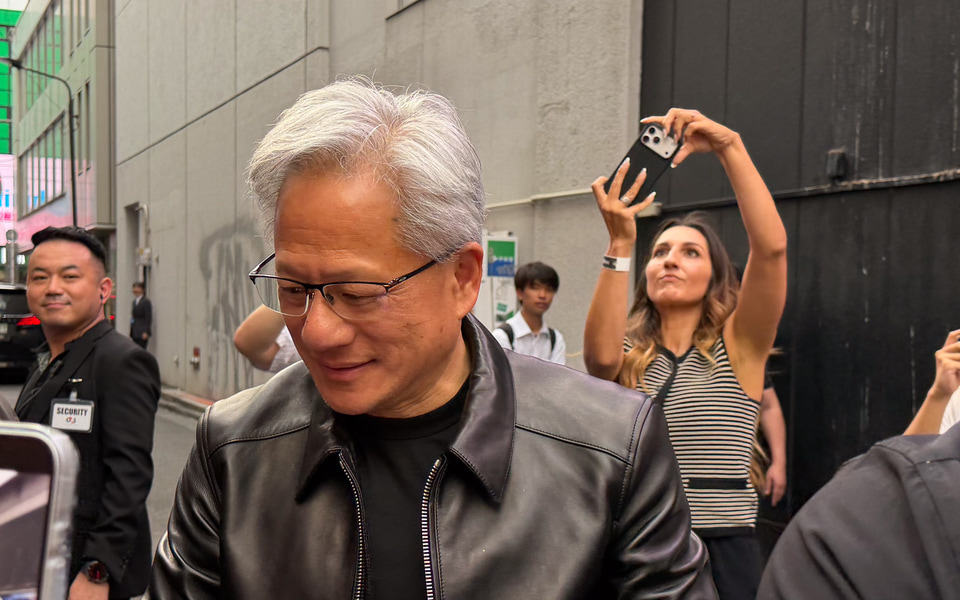
On July 15, 2026, NVIDIA founder and CEO Jensen Huang showed up outside GiGO Akihabara Building 3 for an unscheduled fan event that doubled as a thank-you to SEGA. The appearance, teased only hours earlier on NVIDIA's official X account, drew a crowd large enough to close the pavement in front of the arcade, with fans lining up for selfies and autographs through the afternoon.
The reason Huang picked Akihabara is not a marketing accident. In 1995, a young NVIDIA had taken on the contract to design the graphics chip for SEGA's next console. The chip missed its performance targets, the console was cancelled, and NVIDIA was close to running out of cash. Shoichiro Irimajiri, then SEGA president, chose to keep funding NVIDIA rather than sue for the failed contract. Huang has called it the decision that let NVIDIA survive to build the RIVA 128, and eventually the RTX line. Thirty years on, he came back to the neighbourhood where SEGA's arcade business still runs to publicly repay that favour.
Who appeared alongside Huang
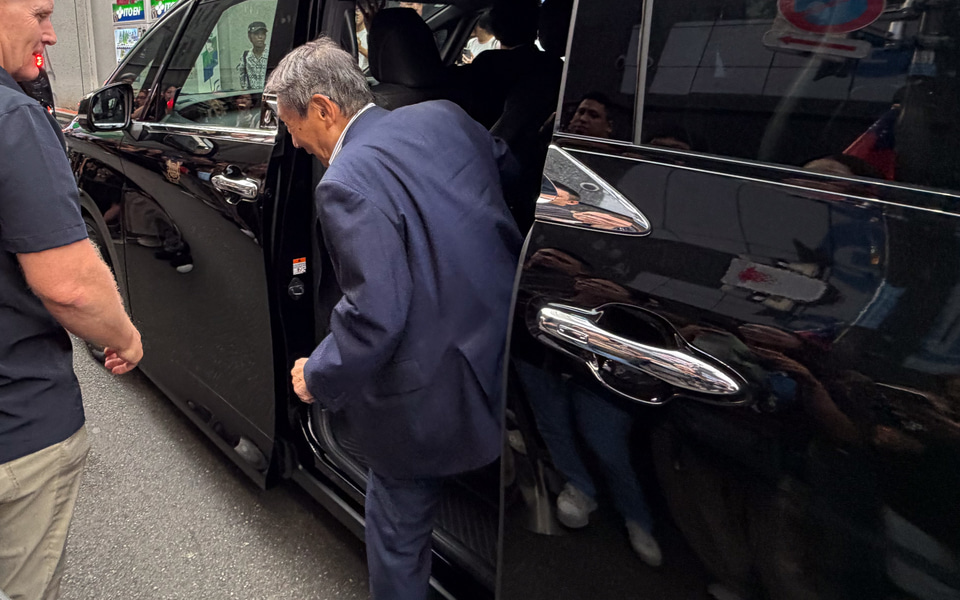
Irimajiri himself walked out on stage. Now in his eighties, he is better known to car enthusiasts than to gamers. He designed the V12 engine for Honda's first-generation Formula 1 programme in the 1960s, and later championed the oval-piston NR project that became Honda's technical calling card. He moved from Honda to SEGA in 1992, took the presidency in 1998, and oversaw the Dreamcast launch in 1999. The Dreamcast graphics chip was, of course, the NVIDIA contract that went wrong.
He was joined by SEGA's current chairman and CEO Haruki Satomi, COO Shuji Utsumi, and Yu Suzuki. Suzuki is the creator of Virtua Fighter, the 1993 arcade game that pioneered real-time 3D character animation, and his presence was the connective tissue of the afternoon. Huang has repeatedly credited Virtua Fighter's push for real-time graphics as a forcing function for NVIDIA's early hardware, and the SEGA side used the stage to confirm that several SEGA titles, including Virtua Fighter content, will be among the launch titles optimised for NVIDIA's new RTX Spark GPU.
Why the venue mattered
Huang could have staged this at GTC in San Jose or at a Tokyo hotel ballroom. Akihabara was the point. The district is still the densest cluster of SEGA-branded arcades in Tokyo. GiGO Akihabara Building 3 sits on the Electric Town side of the station, a short walk from the former SEGA headquarters building. By choosing an open street venue rather than a closed hall, NVIDIA let fans watch for free from the pavement, which is unusual for an executive of a company that recently became the world's most valuable listed firm.
The announcement that mattered beyond the photo op was the RTX Spark compatibility list. SEGA confirmed back-catalogue titles and new Virtua Fighter material would be among the first wave of titles tuned for the platform, which frames the SEGA-NVIDIA relationship as ongoing rather than merely nostalgic. For Akihabara specifically, it also means the arcades that still stock Virtua Fighter cabinets will likely see renewed foot traffic as the RTX Spark launch approaches later in 2026.
Practical Details
- Date: July 15, 2026 (one-day appearance; open-air stage)
- Venue: GiGO Akihabara Building 3 area, 1-14-5 Soto-Kanda, Chiyoda-ku, Tokyo
- Nearest station: JR Akihabara Station, Electric Town exit (2-minute walk)
- Cost: Free to view from the street; no ticket required
- Official sources: Car Watch coverage, Akiba Live recap